

Context & Challenge
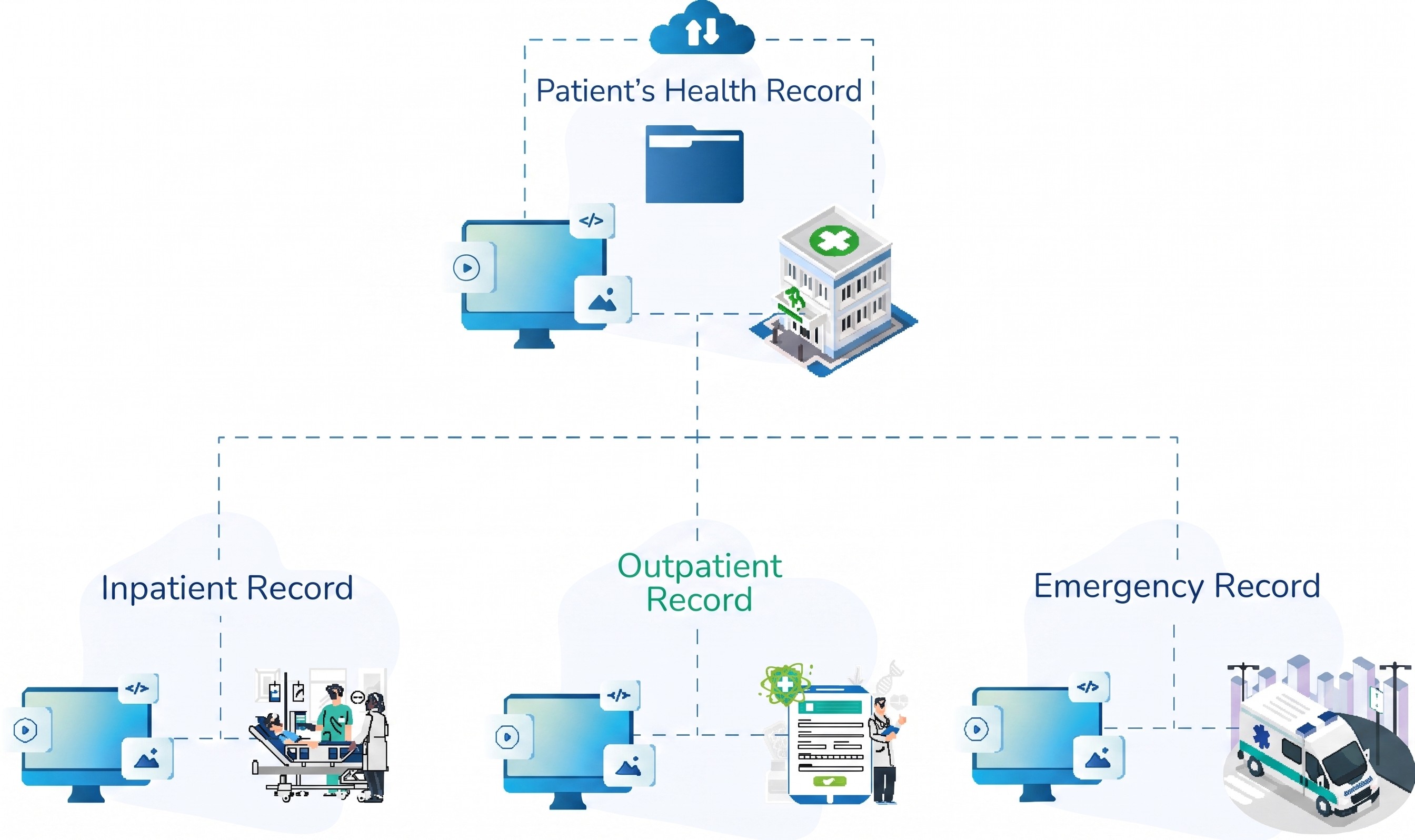
Colombia’s Ministry of Health and Social Protection was accelerating the nationwide implementation of the Electronic Health Record Interoperability model (Interoperabilidad de la Historia Clínica Electrónica - IHCE). Healthcare providers (IPS), insurers (EPS), and clinical personnel faced severe fragmentation across disparate legacy systems, leading to redundant diagnostic tests, delayed clinical decision-making, and high administrative overhead. Our challenge during this intensive six-month period was to design a unified interface for the Resumen Digital de Atención (RDA) that seamlessly aggregated standardized clinical data across institutions, preparing the ecosystem for mandatory nationwide adoption.
Deconstructing the Complexity
Before this initiative, clinical personnel faced severe fragmentation across disparate legacy systems, leading to redundant diagnostic tests, delayed clinical decision-making, and high administrative overhead.
Through interviews and usability testing with emergency room doctors and general practitioners, it became clear that uncurated medical histories were causing dangerous cognitive overload. Physicians didn't just need access to data; they needed chronological clarity and immediate validation to make life-saving decisions under pressure.
Navigating Regulatory Constraints
A major challenge was translating the dense statutory data requirements of Law 2015 of 2020 (and the impending Resolution 1888) into a streamlined experience. I had to work with a team of legal and healthcare experts to translate complex FHIR-based clinical data standards (CIE-10, CUPS, SNOMED CT) into actionable, intuitive UI modules that eliminated visual clutter while ensuring absolute legal and clinical compliance before the new technical mandates were finalized.
Systems Thinking & Execution
To move from abstract regulatory requirements to a functional clinical tool, the design process required rigorous architectural thinking and continuous feedback loops with medical panels.
Interaction Design & Conflict Resolution
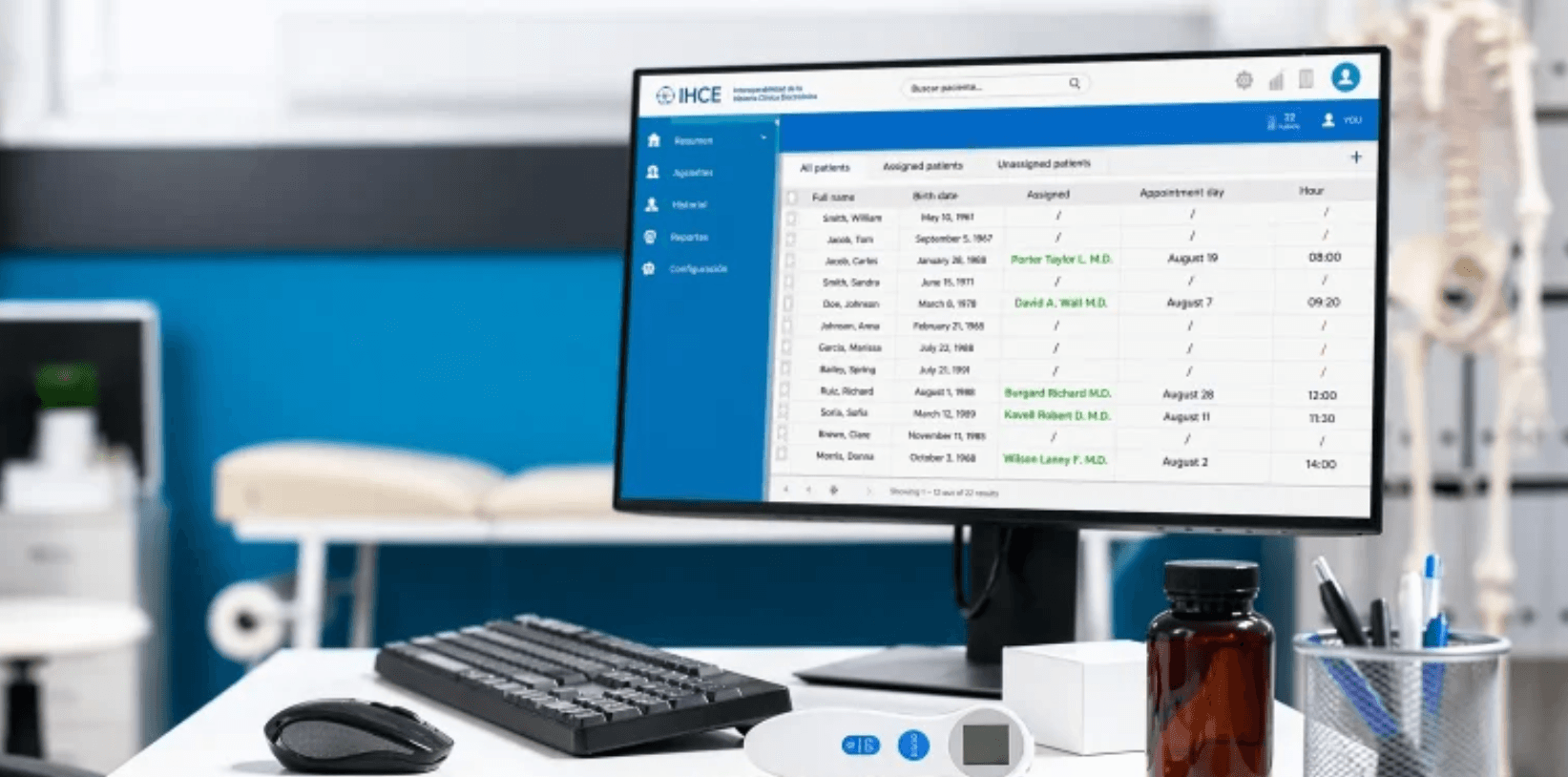
The core of the solution was the Resumen Digital de Atención (RDA)—a single-pane-of-glass overview designed so that relevant data travels with the patient and is not lost behind administrative barriers. I structured the RDA into prioritized, modular widgets for vital signs, active diagnoses, and recent lab results. To handle conflicting entries from external hospital information systems (HIS), I designed real-time validation patterns and non-intrusive visual reconciliation tools, empowering physicians to confidently confirm active data.
Scalable Component Architecture
Knowing this interface would serve as the benchmark for a nationwide rollout, I architected a comprehensive, cross-platform component library in Figma. Leveraging advanced auto-layout and precise variant states, the system was built for a seamless engineering handoff. Every component adhered to strict WCAG 2.1 AA accessibility standards, utilizing high-contrast color palettes, standardized status badges, and highly legible typography optimized for fast scanning in emergency lighting.
The Resolution & Aftermath
Our design phase concluded in August 2025, handing over a complete design system just as the Ministry of Health finalized the new technical mandates. When the IHCE system officially went live in April 2026 (after almost one year of bureaucracy), the intuitive user flows we designed helped drive a remarkably smooth adoption across the country.
When the IHCE mechanism officially went live in April 2026, the user flows we designed contributed to a smooth, massive adoption curve. Real-world implementation outcomes (Updated in June 2026) include:
Massive National Adoption: Over 7.7 million Digital Summaries of Care (RDAs) have been successfully and securely exchanged.
Extensive Patient Coverage: The interoperable records now cover approximately 2.7 million patients across different regions of the country.
Institutional Integration: 744 public and private healthcare providers, encompassing 2,456 connected locations, actively use the platform.
Reduction in Friction: Streamlined chronological views and prioritized clinical cards reduced the average time required for physicians to review a multi-institution patient background by an estimated 40%.